After our longer-than-expected bike ride to Truro, we spent the night at the Hostelling International (HI) hostel in Truro ($42 a person).

Continue reading
After our longer-than-expected bike ride to Truro, we spent the night at the Hostelling International (HI) hostel in Truro ($42 a person).
Continue reading
We attended the Landmark Orchestra performance at Pinebank Promontory Sunday evening. Quite a number of people came out. It didn’t take long, however, for my three-year-old nephew to get restless. So, off we went searching for bugs. Turns out he is excellent at spotting dragonflies.

Continue reading
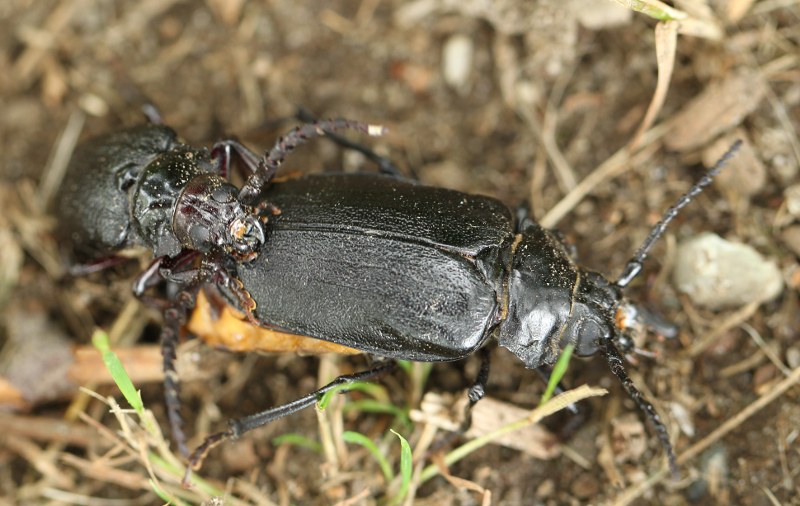
We came across two large black beetles yesterday just off the path around Jamaica Pond. The beetles were possibly engaged in the act of mating. If so, the female beetle was much larger than the male and her orange belly was showing.
Continue reading
Last week, we headed to Jamaica Pond at dusk to see if we could find any bats. Two friends with a bat detector joined us. This device picks up the echolocation calls that bats use to create an image of their surroundings in the dark.
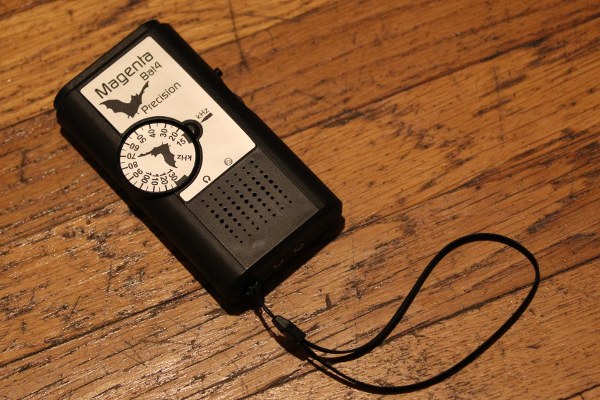
We started detecting the bats around 9:30pm on the north side of the Pond near the old Pinebank mansion. The calls got louder as the bats approached us. We even managed to see a few, although it was too dark to take photos.
We climbed the stairs and proceeded to the baseball field. More bats!
Most of the bats called at around 30 kHz which, according to this chart, makes them big brown bats. This squares with Mass Audubon, which says that big brown bats prefer urban areas.
Thanks to Kieran and Sandy for teaching us how to detect bats.
On Sunday, Jef led a small group of us on an urban nature walk. We started at the Bussey Brook Meadow and moved on to the Arnold Arboretum, ending at the Forest Hills gate. Mosquitoes hounded us, especially in the Meadow.
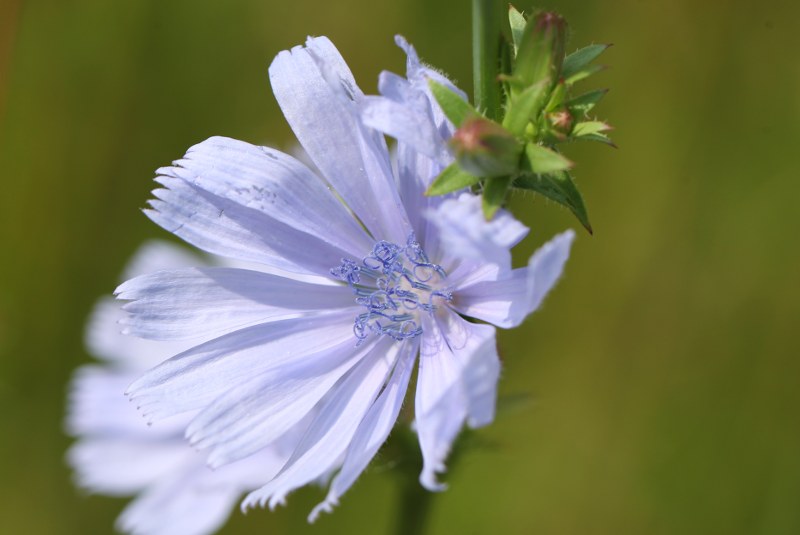
Jef called the meadow a European wildflower garden. We saw some periwinkle-colored chicory flowers (Cichorium intybus) and bird’s-foot trefoil flowers (Lotus corniculatus) with orange streaks on bright yellow. These were among the many wildflowers native to Europe.

Continue reading
On our Friday walk around Jamaica Pond, we came across both a plant and a tree in flower. The plant, yellow toadfloax (Linaria vulgaris), has a spike of yellow flowers with orange centers.

Continue reading
It’s been a rainy June. Boston averages around three and a half inches of rain in June and we have had over ten inches of rain with more to come.
The Muddy River is starting to overflow its banks. I stopped at Willow Pond in Olmsted Park to watch a family of red-winged blackbirds. The male with its red wing-patch (partially covered in the photo below) is the most easily recognizable.
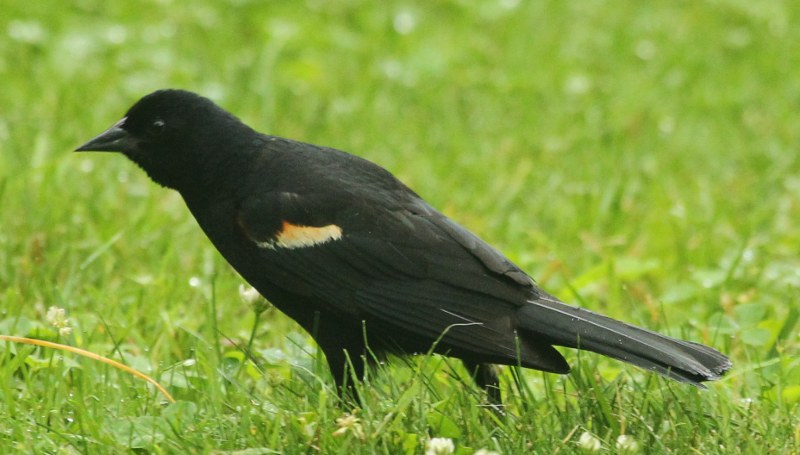
The female looks like a large sparrow with a white, streaked breast.
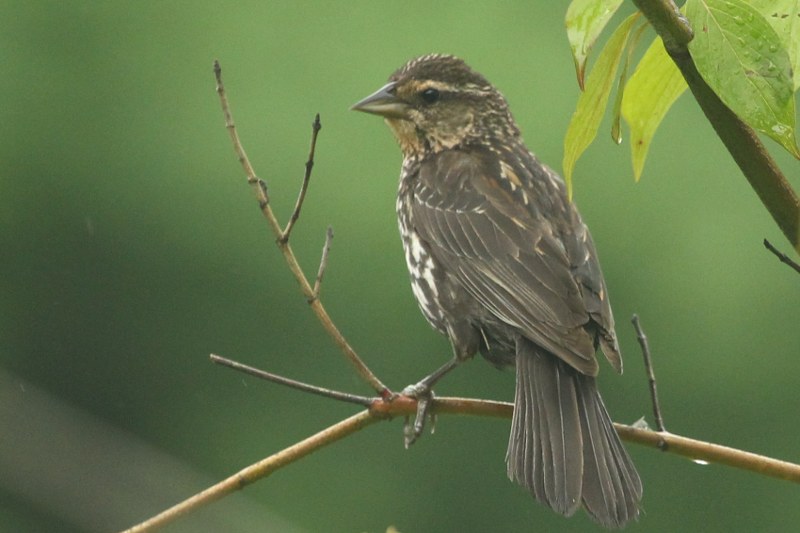
And I saw a juvenile in the same tree as a female.


June heralds the blooming of lupines in New Hampshire, and we headed up to Sugar Hill for the 20th Annual Fields of Lupine Festival. The two-week-long festival features parades, open houses, markets, and concerts, but none of these events were scheduled on the day of our visit.
We first stopped at Polly’s Pancake Parlor for a delicious brunch. I, of course, marvelled at the red oak just outside the restaurant that had been planted by Lucy Hildreth and Wilfred Dexter on their wedding day, the 24th of May, 1899. Over a hundred years old, this oak still stands strong.
Continue reading
I took photos of a wealth of natural life at the Arnold Arboretum yesterday. Among the birds, dragonflies, frogs, and plants, only one of the subjects was accessioned: Wilson’s spiraea (Spiraea wilsonii).

I took a walk through Olmsted Park yesterday, a piece of the Emerald Necklace within Jamaica Plain. I saw a mother mallard duck with a dozen ducklings in tow.

Continue reading